
You probably know what it feels like when a single tooth is misaligned. Now imagine that same feeling spreading across your entire mouth. Your teeth don’t meet the way they used to.
Your jaw feels tired by midday. You’re avoiding certain foods. And your smile? It doesn’t look the same.
This is bite collapse, also called occlusal collapse, and it’s one of the most common yet misunderstood dental conditions.
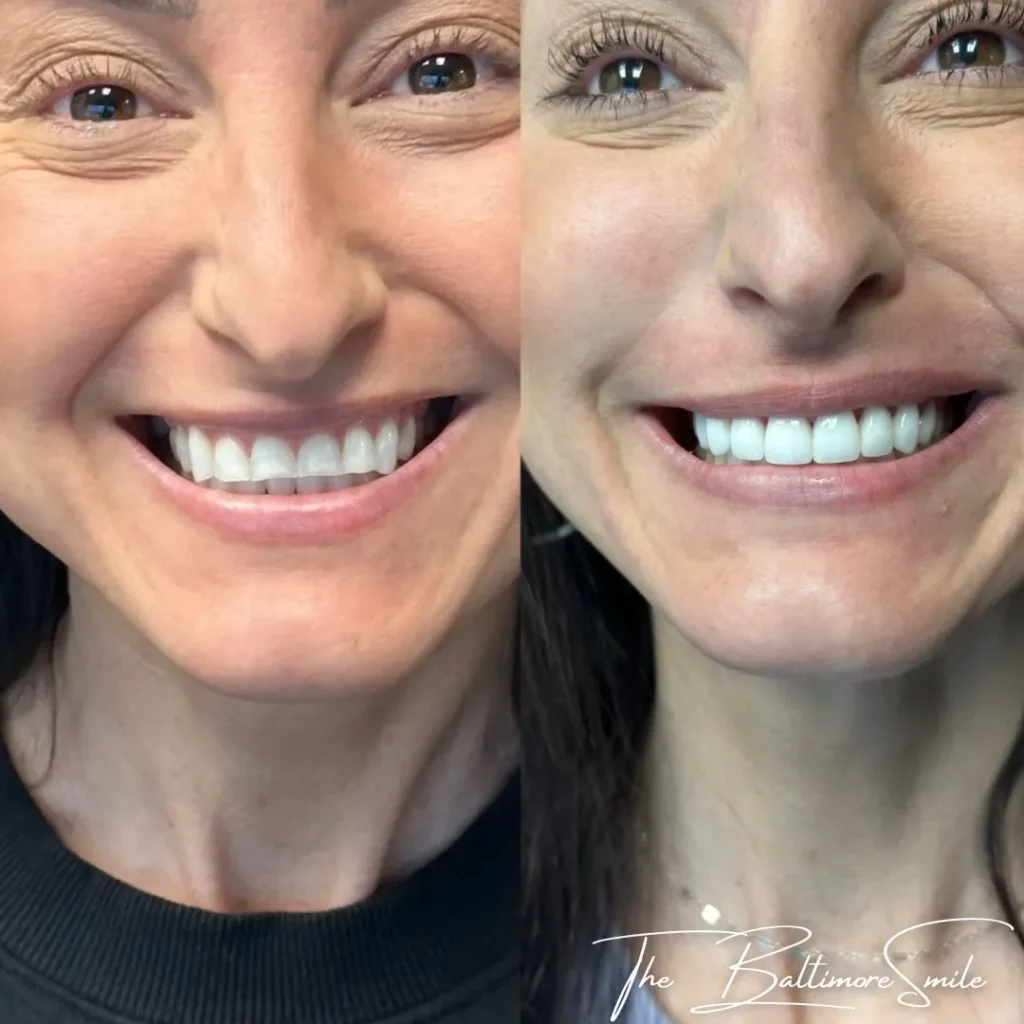
What Is Bite Collapse?
Bite collapse happens when the vertical dimension of your bite decreases, changing the relationship between your upper and lower jaws. As teeth wear down, shift, or are lost, the jaw closes further than it should, causing a cascade of problems that affect your teeth, jaw joints, and facial appearance.
Patients with posterior bite collapse typically experience unstable occlusal contact, improper anterior guidance, and a significant decrease in chewing efficiency. In other words, your bite stops working the way it was designed to.
What Causes Bite Collapse?
- Missing Teeth: When teeth are lost, adjacent teeth tilt into the empty space, and opposing teeth super-erupt. This shifts the entire occlusal plane.
- Tooth Wear: Bruxism (grinding), acid erosion, or years of heavy chewing can wear down the biting surfaces, reducing vertical dimension.
- Failed Restorations: Old crowns, bridges, or fillings that no longer fit properly can create bite imbalances.
- Untreated Orthodontic Relapse: Teeth that have shifted after braces can create an uneven bite that progresses over time.
- Periodontal Disease: Bone loss from gum disease loosens teeth, allowing them to drift and collapse the bite.
The Symptoms You Shouldn’t Ignore
Bite collapse doesn’t happen overnight. It progresses gradually, making it easy to dismiss the early warning signs:
- TMJ Pain: Jaw pain, clicking, or popping, especially in the morning
- Chronic Headaches: Tension headaches originating in the jaw muscles
- Difficulty Chewing: Food isn’t breaking down the way it used to
- Worn Teeth: Flattened biting surfaces, especially on molars
- Tooth Sensitivity: Exposed dentin from wear or recession
- Changes in Facial Appearance: A “sunken” look around the mouth, deepening of nasolabial folds, or a chin that appears to protrude
- Frequent Dental Emergencies: Chipped, cracked, or broken teeth
Why Bite Collapse Requires More Than a Cosmetic Fix
Here’s where most patients get led astray. A purely cosmetic approach might address the appearance, such as natural-looking porcelain veneers that look beautiful and same-day crowns that cover the wear. But without addressing the underlying bite, those restorations will fail prematurely.
Aesthetic restorations placed on an unstable bite are like a beautiful roof on a crumbling foundation. They’ll crack, chip, or come loose within a few years.
Traditional prosthodontic approaches might fix the function. They can stabilize the bite and rebuild the occlusal plane. But sometimes, these approaches miss the aesthetic artistry. Then, it results in a bite that works, but a smile that doesn’t quite look natural.
The Cosmetic & Advanced Solution: Function and Beauty Co-Owned
At Cosmetic & Advanced Dentistry, we believe bite collapse treatment requires a different approach. One that treats the whole system, not just the visible symptoms.
We’ve built our practice around a rare and powerful model: a cosmetically trained dentist and a prosthodontist working as a single, coordinated team.
Dr. Ed Lazer, DDS: The Artistic Vision
- LVI-trained cosmetic dentist
- Baltimore Magazine “Top Cosmetic Dentist”
- Designs your smile with proportion, symmetry, and natural translucency
Dr. Andrey Doroshenko, DDS: The Structural Architect
- Fellowship-trained prosthodontist and implant specialist
- Completed a three-year postgraduate prosthodontic residency
- Places implants, grafts bone, and ensures structural integrity
The result: Dr. Doroshenko stabilizes your bite and rebuilds your foundation. Dr. Lazer designs your final smile to ensure it looks natural, proportionate, and beautiful.
They consult daily and review cases together. Your treatment is co-planned from day one. You’re not just paying for a crown or an implant. You’re investing in a team of experts who work together on your behalf.
The Treatment Journey for Bite Collapse
Step 1: Comprehensive Diagnosis
Both Dr. Lazer and Dr. Doroshenko evaluate your case together. We use digital imaging, 3D models, and occlusal analysis to understand the full extent of the collapse.
Step 2: Treatment Planning
Function and beauty are never separate conversations. Dr. Doroshenko plans the structural phases, such as implants, bone grafting, and occlusal adjustments. Dr. Lazer designs the final aesthetic outcome, embedding it in the plan from the beginning.
Step 3: Phased Execution
Complex cases are broken into manageable phases. Disease control first (gum disease, decay). Then the surgical phase (implants, grafting). Then, provisional restorations are used to test function and aesthetics. Finally, definitive restorations.
Step 4: Long-Term Stability
We don’t just restore your bite. We provide you with the tools to keep it stable, including night guards, maintenance protocols, and regular monitoring.
What Happens If You Ignore Bite Collapse?
- More tooth loss: As teeth shift, they become looser and more prone to loss
- Progressive TMJ damage: Jaw joints wear down, leading to chronic pain
- Facial changes: The lower face shortens, creating a prematurely aged appearance
- Restoration failure: Even expensive cosmetic work will fail prematurely
- Reduced quality of life: Chewing becomes difficult, and eating becomes a chore
“I Think My Bite Is Collapsing. What Should I Do?”
Start with a conversation. Schedule a consultation where both Dr. Lazer and Dr. Doroshenko can evaluate your case together.
Call (410) 697-6290 or request a complimentary consultation online. We’ll listen, examine, and give you an honest assessment.
Serving Owings Mills, Baltimore, and the greater Maryland area.